
- Most California seniors who end up in assisted living had benefits that could have kept them home, unused.
- Having both Medicare and Medi-Cal unlocks the strongest support available: in-home help through IHSS, paid family caregivers, rides, dental, vision.
- Two systems means twice the paperwork, and most of these benefits go unclaimed by the very people they were built for.
- A Careway Advocate knows both systems, finds every benefit you're entitled to, and files the paperwork.
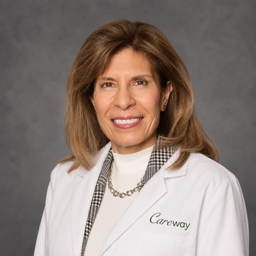
Careway Advocates are dedicated health experts who unlock the Medicare and community benefits most seniors miss. Your Advocate is covered by Medicare.
The 7 benefits that keep you in your own home.
IHSS — Medi-Cal pays for help at home.
In-Home Supportive Services is California's quiet giant: Medi-Cal pays for help with cooking, cleaning, bathing, dressing, and errands for people who would otherwise be at risk of moving into a facility. A county social worker assesses what you need and approves monthly hours. It is the single most powerful stay-at-home benefit in the state, and most eligible families have never heard of it.
Your caregiver can be family, paid by the state.
IHSS lets you choose your own caregiver, and that can be your daughter, your son, or your spouse. California pays them an hourly wage for the approved hours, which turns "my daughter helps when she can" into sustainable, paid care from the person you trust most.
Medi-Cal can pay your Medicare costs.
Through Medicare Savings Programs, Medi-Cal can pay your Part B premium, putting roughly $2,000 a year back in your Social Security check, and can sharply reduce or eliminate copays and deductibles. Many duals are already entitled to this and don't know it's happening, or worse, aren't enrolled and keep paying.
Rides to the doctor, the pharmacy, and back.
Medi-Cal covers non-emergency medical transportation, and many Medicare Advantage plans add their own ride benefits. Between the two, most duals can get to appointments without leaning on family or paying for rideshares. Few ever book a single covered ride.
Dental and vision — what Medicare alone never gave you.
Original Medicare famously leaves out routine dental and vision. Medi-Cal fills much of that gap for duals: Medi-Cal's dental program covers exams, cleanings, fillings, and dentures, and vision benefits cover eye exams with glasses for eligible members. Teeth and eyes are not luxuries; they're how you eat well and stay steady on your feet.
Community support that lightens the load at home.
Beyond the big two systems, California runs a web of programs that make staying home workable: adult day programs, respite for family caregivers, home-delivered meals, and caregiver support through local agencies. Each one is small; stacked together, they're the difference between managing and not.
A dedicated Careway Advocate — one person who works both systems.
Every benefit above is real. The reason duals don't get them is that Medicare and Medi-Cal are two bureaucracies with different rules, different offices, and different paperwork, and nobody's job is to work both for you. Your Careway Advocate is that person, and the Advocate itself is a covered Medicare benefit. One sign-up, both systems working for you.
Why dual benefits go unused.
People with both Medicare and Medi-Cal hold the strongest benefits combination in American healthcare, and consistently use the least of it. The reasons are predictable:
- Two of everything. Two ID cards, two sets of rules, two phone trees. Figuring out which system covers what defeats most people before they start.
- Fear of breaking something. Many seniors worry that using a Medi-Cal benefit will somehow endanger their Medicare or Social Security. It won't, but the fear alone keeps benefits unclaimed.
- Programs don't advertise. IHSS has no marketing budget. The county doesn't call you; you have to call the county.
- The paperwork lands at the worst time. Families usually discover these programs mid-crisis, exactly when nobody has bandwidth for applications and assessments.
Unused, these benefits are exactly the gaps that push people out of their homes. Used, they're what staying independent is made of.
Not on Medi-Cal? You might qualify and not know it.
Many Californians assume Medi-Cal is only for people with nothing. The current rules are more generous than most people think:
- Your home doesn't count. The house you live in is not counted against Medi-Cal eligibility.
- The savings limit is higher than you'd guess. As of 2026, an individual can have up to $130,000 in countable assets ($195,000 for a couple) for most Medi-Cal programs for older adults. Eligibility then comes down to income.
- A denial from years ago means nothing today. The rules have changed substantially. If you were turned down under the old $2,000 asset limit, today's answer may be different.
Rules and limits change, which is exactly why a person whose job is to know them matters. Your Advocate checks the current requirements against your actual situation before you fill out anything.
What using the benefits actually looks like.
Put together, the two systems can rebuild a household around staying independent: paid help in the mornings, rides to every appointment, dental work done, premium money back in the Social Security check, and a family caregiver who's compensated instead of burning out.
Frequently asked questions
Yes. Careway operates as a Medicare-billable service. Most patients pay little to nothing out of pocket. Your eligibility check tells you exactly what you'd owe before you commit.
No. Using IHSS, dental, vision, or ride benefits doesn't reduce your Medicare coverage or your Social Security check. The Medicare Savings Programs actually increase what lands in your check by paying your premium for you.
Yes, if you're approved for IHSS and choose her as your provider. The county assesses how many hours of help you need each month, your daughter enrolls as your IHSS provider, and the state pays her an hourly wage for those hours. Spouses and adult children both qualify as providers.
Possibly, yes. The eligibility rules are more generous than most people assume (see the section above), and your Advocate can check whether you qualify and handle the application. If you don't, Medicare alone still carries benefits most seniors never use.
Yes. With your permission, your Advocate communicates with your family (sons, daughters, spouses) so everyone stays on the same page. That's especially useful when family lives in another state.
The eligibility check takes 2 minutes. From there, you usually have your first call with a Careway physician within a week, and an Advocate assigned the same day.
The bottom line.
Most families look at assisted living because home stopped working: too much to manage, too little help. For Californians with Medicare and Medi-Cal, the help to make home work again already exists, paid for, waiting behind paperwork.
Let your Careway Advocate work both systems for you, and stay where you want to be.
- California Dept. of Social Services. In-Home Supportive Services (IHSS)
- Medicaid Planning Assistance. Medi-Cal In-Home Supportive Services Program
- Medicare.gov. Medicare Savings Programs
- Justice in Aging. Medi-Cal asset rules: what advocates need to know
- DHCS. Medi-Cal Dental Program
- DHCS. Medi-Cal Non-Emergency Medical Transportation